Welcome to the style journal Ali and Alex. first off, can you tell us a bit about yourselves. Where did your love for interiors come from? Alex lives in Battersea in southwest London with her three teenage daughters, a shaggy labradoodle called Tikka, and a rather antisocial cat called Tilly. She has lived in the same house for 22 years and, much to her husband’s amusement – and occasional despair – has redecorated it countless times over the years, all in the name of “research”.
Ali is a West Londoner whose children are now at university, and she is enjoying her newfound freedom with her husband, and Monty, a slightly less shaggy labradoodle. With a little more time on her hands these days, she has been able to devote even more energy to creative pursuits.
Both of us discovered our love of interiors early on. Alex grew up devouring copies of Country Life, captivated by the beautiful houses and
layered interiors featured in its pages. Meanwhile, Ali was constantly rearranging and redesigning her teenage bedroom – and occasionally her parents’ house when she was given the chance – experimenting with colours, fabrics and furniture long before she realised it might one day become a career. Looking back, it seems interiors were always destined to play a central role in both our lives.
How did your journey into interior design begin?
We both trained at KLC School of Design, where we met in 2012. At the time we were both in our late 30s and ready for a career change that would allow us to pursue our creative interests. Alex had previously worked in recruitment, while Ali had a background in marketing and product development. After graduating, we both worked for other designers but always had ambitions to set up our own studios. Working as a pair made complete sense – in a creative environment it’s hugely beneficial to be able to brainstorm together and approach challenges from different perspectives.
Do you have different approaches, and how do you organise your projects – do you work in tandem or divide them between you? We’re fortunate to have different but complementary skills. While we collaborate closely on all projects, we naturally take ownership of the tasks that play to our strengths. Alex loves nothing more than getting stuck in on a building site and problem-solving, while Ali relishes a well-organised spreadsheet and keeping processes running smoothly. The creative side of things, however, is very much a shared process, and we enjoy bouncing ideas off each other to arrive at the best solution.
How would you sum up your interior design style in three words?Layered, timeless and practical.
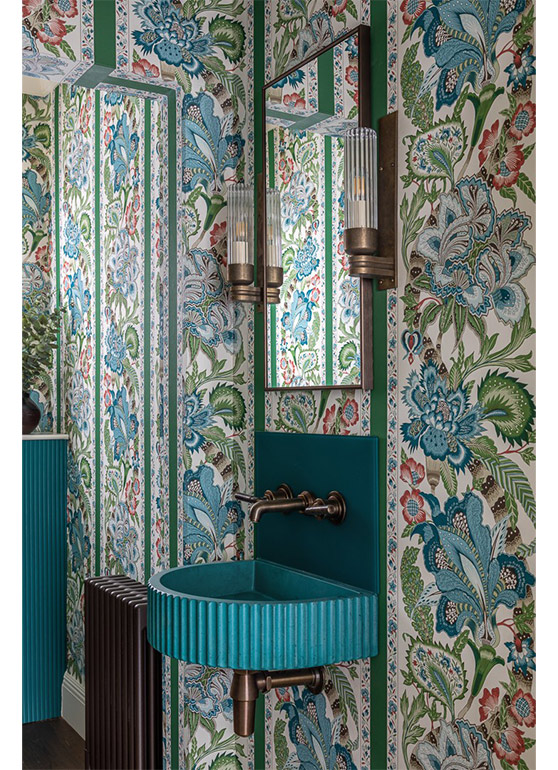
Bold colours and patterns are a popular choice in your interiors. Where do you find your inspiration? Living in London means there is always something new to see, whether it’s exhibitions, galleries or simply walking around different neighbourhoods. We also love to travel and are constantly inspired by the colours, materials and textures we encounter along the way. The design of new bars and restaurants is another great source of ideas, as the hospitality world is often at the forefront of creative interiors. Fashion is also a big influence, and more generally we try to keep our eyes open and stay curious – noticing interesting combinations, colours and details wherever we go.
What advice would you give to readers looking to mix colours and patterns in their home?
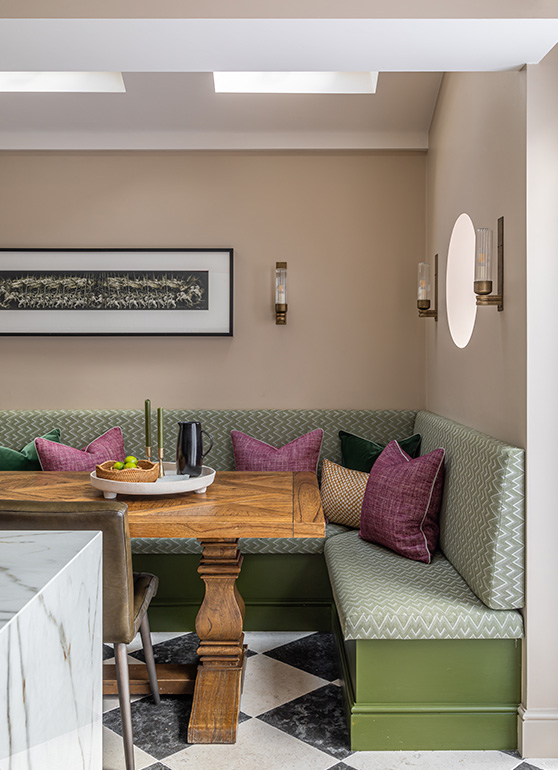
It's really about balance and confidence. A good starting point is to vary the scale of your patterns — pairing a larger, more expressive print with smaller, more detailed designs helps create contrast so that each element has room to shine. For example, a bold wallpaper can work beautifully alongside upholstery in a finer geometric or textured weave, especially when balanced with some quieter fabrics or plain elements that allow the eye to rest. Colour plays an equally important role. Working within a considered palette helps tie everything together, even when the patterns themselves are quite different.
Repeating certain colours across fabrics, walls or accessories creates cohesion and makes the overall scheme feel intentional rather than busy. It’s also worth thinking about the sense of movement within a room. Combining a flowing, organic pattern with something more structured — such as a stripe or geometric — can add energy and visual interest. When layered thoughtfully, patterns can bring a sense of personality to a space, often reflecting travels, memories or pieces collected over time.
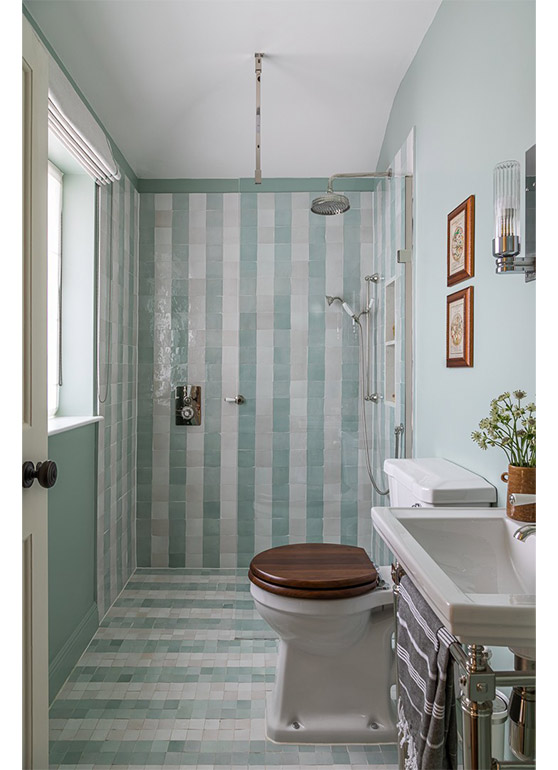
How do you encourage customers to shape their interiors to reflect their personality and character?At the start of every project we spend time getting to know our clients and understanding how they live. Rather than imposing a particular house style, our aim is always to create spaces that feel personal and authentic to them. We ask lots of questions and often look beyond interiors for inspiration – from the clothes they wear to the hotels they enjoy staying in, the places they love to travel to, and the artwork or objects they’re drawn to. Even when clients aren’t sure of their style at the outset, these conversations help us tease out their preferences and create a home that truly reflects their personality.
What’s one piece of advice you wish every client knew before starting a project.Establishing a clear budget from the outset is one of the most important steps in any project. Budget is something many clients haven’t fully considered before starting, but it’s an essential part of the design process to define early on, as it helps shape decisions and keeps expectations realistic. We help clients put together a preliminary budget so it can be considered alongside building costs – ensuring that not all the funds are spent on the building works and that there is enough left for the interior elements, such as joinery, furniture, lighting and finishes, that ultimately bring the space to life.
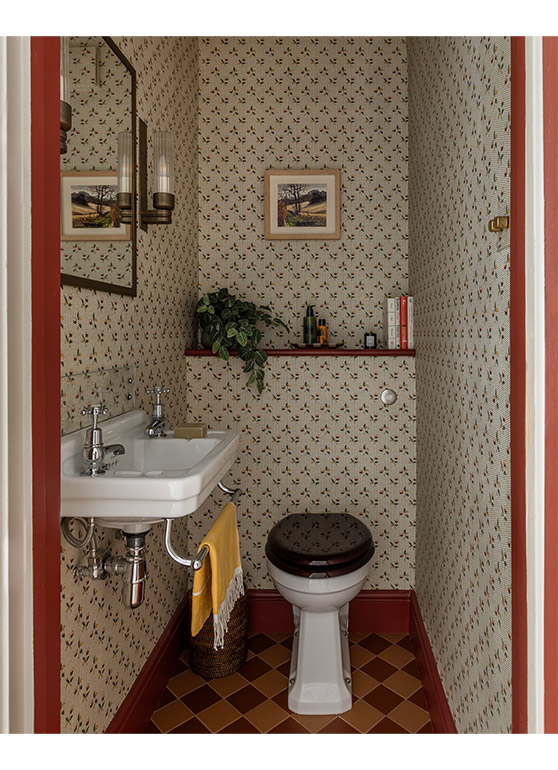
How important is lighting in home interiors?
Lighting is key to creating a warm and welcoming home whilst flattering your guests! It has a huge impact on how a space feels, so a layered lighting plan is essential. This should include task lighting where needed, softer lighting for ambience, and flexibility to zone areas and adjust light levels. We’re big advocates of a good old-fashioned dimmer switch, ideally positioned close to the area you want to light, rather than relying on overly complicated systems.
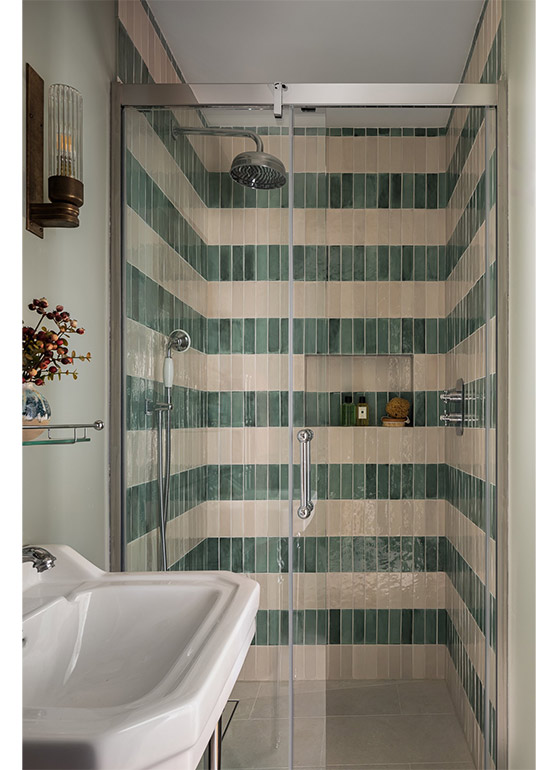
Our Raydon Wall Light is a firm favourite in your interiors, working beautifully in both bathrooms and kitchens. What do you love most about this wall light?We love the
Raydon Wall Light because it’s affordable yet looks far more elevated than its price point. It’s particularly effective in smaller spaces thanks to its compact projection and width, and it also comes in a great range of finishes.
Finally, a few quick-fire questions:What are your top tips for making a house a home?Artwork, books, accessories and a dog!
What is your favourite room to design?A sitting room, because it’s a great challenge to balance design and functionality. Many of our projects are in London, where space is often at a premium.
What staple piece do you think every home needs?Bespoke joinery
Follow Ali and Alex on instagram
@ottadesign for inspiration design ideas, and at
www.otta-design.com to find out more about their projects and to book a consultation.
Photography by Jonathan Bond
@jonathanbondphotography
To stay up to date with Jim Lawrence, follow us on Instagram, Facebook and Pinterest. Browse our website www.jim-lawrence.co.uk to see all of our hand forged and finished lighting and homeware.